
How Advanced Radiation Therapy Can Improve Cancer Treatment Outcomes?
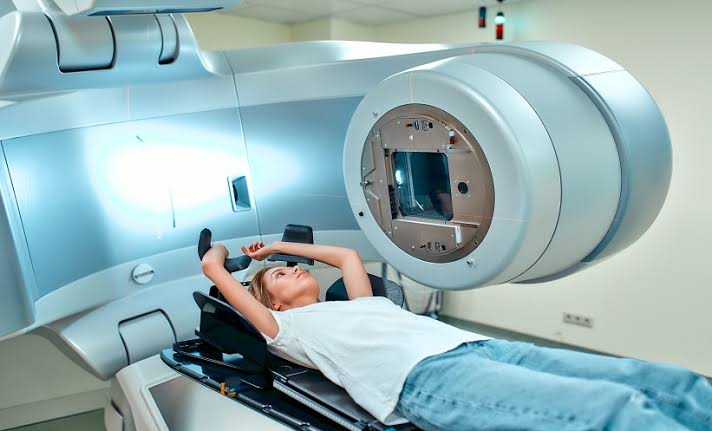
A cancer diagnosis can bring many questions: What treatment is right for me? Will radiation affect healthy tissues? Can advanced technology improve treatment precision? As a radiation oncologist, I understand these concerns, and I believe that patients deserve clear information before making decisions about their cancer treatment. Modern radiation therapy has evolved significantly. With advanced techniques such as IMRT, VMAT/RapidArc, IGRT, SRS, SRT, SBRT, DIBH and Respiratory Gating, radiation can be planned and delivered with greater precision while considering the surrounding healthy tissues. My approach is evidence-based, personalized and focused on providing effective treatment with appropriate attention to patient safety and comfort. What Is Advanced Radiation Therapy? Advanced radiation therapy uses modern treatment-planning, imaging and radiation-delivery technologies to accurately target cancerous tissue. The objective is to deliver the prescribed radiation dose to the tumor while limiting unnecessary exposure to nearby healthy organs. I use advanced radiation techniques based on the type, location and extent of cancer and the individual needs of each patient. Treatment may be used as the primary treatment, before surgery, after surgery, along with other cancer treatments, or for symptom relief in selected advanced cancers. How Can Advanced Radiation Therapy Improve Treatment Outcomes? 1. More Precise Targeting Techniques such as Intensity-Modulated Radiation Therapy (IMRT) allow radiation doses to be shaped according to the tumor. This helps me focus treatment on the intended target while reducing radiation exposure to surrounding healthy tissues. 2. Image-Guided Treatment Image-Guided Radiation Therapy (IGRT) uses imaging to help accurately locate the treatment area before and during radiation therapy. This additional precision can be particularly important when tumors are located close to sensitive organs. 3. Faster and Precise Radiation Delivery VMAT/RapidArc delivers radiation continuously while the treatment machine rotates around the patient. This can allow faster treatment sessions while maintaining precise radiation delivery, potentially improving patient comfort. 4. Specialized Treatment for Selected Tumors For carefully selected patients, techniques such as Stereotactic Radiosurgery (SRS), Stereotactic Radiotherapy (SRT) and Stereotactic Body Radiation Therapy (SBRT) can deliver highly focused radiation. These techniques are particularly useful in appropriately selected tumors where precision is important. 5. Better Protection of the Heart and Other Organs For some breast cancer patients, Deep Inspiration Breath Hold (DIBH) and Respiratory Gating may be incorporated into radiation treatment. DIBH is designed to help protect the heart during radiation by using controlled breathing and treatment positioning. Radiation Therapy Can Be Part of Comprehensive Cancer Care I do not consider radiation therapy in isolation. Cancer care often requires coordination between different specialties and treatment approaches. Depending on the diagnosis, radiation may be combined with surgery, chemotherapy, targeted treatment or other appropriate therapies. My areas of special interest include gynaecological malignancies, breast cancer, head and neck malignancies and brain tumours. I also provide radiation oncology care for cancers including cervical, uterine, ovarian, lung, prostate, oral cavity, oropharyngeal, nasopharyngeal and hypopharyngeal cancers, vocal cord cancer, sarcomas and lymphomas. I also provide HDR brachytherapy, where appropriate. Brachytherapy delivers radiation internally and can provide a high radiation dose directly to the cancer site while limiting exposure to surrounding tissues. A Personalized Approach Matters Technology is only one part of effective cancer treatment. I believe that every patient needs an individualized treatment plan based on their diagnosis, investigations, tumor characteristics and overall treatment goals. Alongside radiation treatment, I emphasize patient counselling, nutrition and positive mental health. My comprehensive care services include second-opinion consultations, multidisciplinary tumor board review, cancer nutrition and diet counselling, radiation side-effect management, and post-treatment follow-up and survivorship care. With more than 10 years of experience, my academic background includes DNB Radiation Oncology from Krishna Institute of Medical Sciences, Secunderabad, and MBBS from Osmania Medical College, Hyderabad. I have been associated with Yashoda Cancer Institute, Malakpet, as a Consultant Radiation Oncologist since 2022. Frequently Asked Questions Is radiation therapy painful? The radiation delivery itself is generally painless. During treatment, the patient lies on a treatment table while the specialized machine delivers radiation to the planned area. Each session generally takes only a few minutes once positioning is complete. Can radiation therapy cure cancer? Radiation therapy can cure certain cancers, particularly when they are diagnosed at an early stage. It may also be combined with surgery, chemotherapy or other treatments to improve cancer control. In advanced cancer, radiation can also help control tumor growth and relieve symptoms. Is advanced radiation therapy suitable for every cancer patient? Not necessarily. The appropriate technique depends on the cancer type, tumor location, stage, previous treatments and individual patient factors. I evaluate these factors before recommending a suitable radiation treatment plan. When should I consult a radiation oncologist? A radiation oncology consultation can help when radiation is being considered as part of your cancer treatment, whether before or after surgery, alongside other treatments, as a primary treatment in selected cancers, or for symptom management. Looking for Cancer Care in Hyderabad? If you are searching for a Best Female Oncologist in Hyderabad, I focus on combining evidence-based oncology, advanced radiation technology, personalized planning, and compassionate communication. For patients seeking a Best Radiation Oncologist in Hyderabad, I provide advanced techniques including IMRT, VMAT/RapidArc, IGRT, SRS, SRT, SBRT, DIBH and Respiratory Gating, based on individual treatment requirements. If you are looking for a Best Cancer Specialist in Malakpet, Hyderabad, I encourage you to seek a detailed evaluation and understand all appropriate treatment options before proceeding. Consultation Locations & Details: Building, 3rd Floor, Oak Altius, above Prashanth Dental Clinic, beside ICICI Bank, Huda Sai Nagar Colony, Vanasthalipuram, Hyderabad, Telangana 500070 Email: dr.nivalika@gmail.com
Can Moderate Drinking Affect Radiation Therapy Outcomes? Evidence Explained
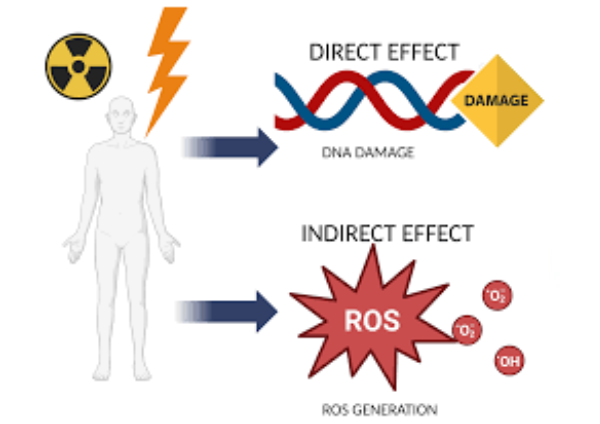
For many patients starting radiation therapy, one of the most common questions is whether moderate alcohol consumption is safe during treatment. As the Best Lady Oncologist in Hyderabad,I often emphasize that even moderate drinking can influence how well radiation works, how the body heals, and how the immune system responds. While occasional alcohol intake is socially common, its impact during radiation therapy is far more significant than most patients realize. Radiation therapy (RT) is a scientifically precise, highly targeted modality used to destroy cancer cells. But its effectiveness depends on the body’s internal environment—oxygen levels, immune strength, tissue recovery capacity, and metabolic health. Alcohol interferes with all these factors. Whether you are consulting the Best Cancer Specialist in Malakpet, Hyderabad or any radiation oncologist worldwide, the medical recommendation remains consistent: alcohol must be approached with caution during cancer treatment. Understanding the Body’s Response During Radiation Therapy Radiation works by causing damage to cancer cell DNA. To repair and regenerate healthy tissue effectively, the body requires strong immune functioning, good hydration, proper nutrition, and stable blood flow. Moderate drinking—commonly defined as 1–2 drinks per day—may appear harmless but can silently affect several cellular processes that influence treatment outcomes. When a patient consults the Best Lady Oncologist in Hyderabad, they are often advised that even small amounts of alcohol can interact with radiation therapy in ways that slow healing, intensify side effects, and reduce the therapy’s precision. Similarly, medical guidance from the Best Cancer Specialist in Malakpet, Hyderabad stresses that cancer care is not just about radiation doses—it’s about supporting the entire body holistically throughout the treatment process. How Alcohol Interferes With Radiation Therapy 1. Alcohol Weakens the Immune System Radiation therapy temporarily strains immune function as it targets rapidly dividing cells. Alcohol further suppresses immunity by: When patients meet the Best Lady Oncologist in Hyderabad, the discussion always includes immune system safety, because alcohol-induced suppression can slow recovery and worsen fatigue. 2. Alcohol Dehydrates the Body Radiation—especially to the abdomen, pelvis, head, and neck—causes dehydration. Alcohol, being a diuretic, worsens this effect. This can contribute to: This is why the Best Cancer Specialist in Malakpet, Hyderabad routinely advises patients to avoid alcohol during therapy. 3. Increased Risk of Mucositis and Mouth Ulcers Patients undergoing radiation to the oral cavity, throat, or esophagus are prone to mucositis. Alcohol irritates mucosal surfaces, making inflammation significantly worse. Even moderate drinking can intensify: For this reason, the Best Lady Oncologist in Hyderabad strongly discourages alcohol intake in head and neck cancer patients. 4. Alcohol Increases Skin Sensitivity Radiation often causes skin soreness, redness, and irritation. Alcohol dilates blood vessels and increases skin photosensitivity, which can worsen radiation dermatitis. Patients who follow instructions from the Best Cancer Specialist in Malakpet, Hyderabad typically notice improved skin healing when alcohol is avoided. Does “Moderate Drinking” Still Count as Risky? Many patients assume that if they limit themselves to a glass of wine or a beer, it won’t matter. However, studies show that even moderate consumption can: Since radiation relies on optimal cell repair, even small alcohol amounts can interfere with treatment goals. The Best Lady Oncologist in Hyderabad regularly explains that “moderation” in normal life is not the same as “moderation” during cancer treatment. Alcohol and Specific Cancer Types During RT 1. Breast Cancer Alcohol increases estrogen levels and oxidative stress. During radiation, this can contribute to heightened breast sensitivity and increase long-term recurrence risks. 2. Head & Neck Cancers For patients in this group, the Best Cancer Specialist in Malakpet, Hyderabad strongly warns against alcohol because: 3. GI Cancers Alcohol irritates the stomach and intestines, leading to more severe nausea, diarrhea, and abdominal pain during therapy. 4. Prostate Cancer While occasional intake may be tolerated, alcohol can worsen urinary symptoms caused by radiation. Long-Term Effects: Why Oncologists Recommend Reducing or Stopping Alcohol Completely Even after radiation therapy ends, the body continues repairing microscopic tissue changes for months. Alcohol can delay or disrupt this process. Research shows: This is why both the Best Lady Oncologist in Hyderabad and the Best Cancer Specialist in Malakpet, Hyderabad consistently advise patients to minimize or avoid alcohol not only during treatment but also for several months after completion. Can Patients Ever Drink During Radiation Therapy? While every case is unique, oncologists generally recommend: Most patients who follow guidance from the Best Lady Oncologist in Hyderabad experience fewer side effects and better treatment tolerance when alcohol is removed from their routine. What Patients Can Do Instead Cancer care is a team effort, and support from the Best Cancer Specialist in Malakpet, Hyderabad ensures patients get holistic guidance—not just medical treatment. Conclusion Moderate drinking may seem harmless, but even small amounts of alcohol can affect radiation therapy outcomes. From worsening inflammation to impairing immune function, alcohol creates conditions that make radiation less effective and more challenging to tolerate. Patients who prioritize their long-term recovery should strongly consider avoiding alcohol throughout radiation therapy and beyond. With the guidance of the Best Lady Oncologist in Hyderabad, patients can make informed lifestyle choices that support superior treatment outcomes. Likewise, consultations with the Best Cancer Specialist in Malakpet, Hyderabad ensure that every patient receives evidence-based, personalized advice that enhances healing, reduces complications, and improves quality of life during their cancer journey.